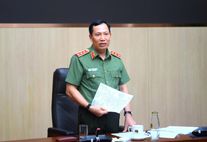
Enhancing Airport Capabilities to Ensure Security, Smartness, and Friendliness in the New Context
In the context of deeper international integration and the rapid development of global tourism and trade, aviation infrastructure plays a vital role as "ground gateways" connecting a nation with the world.
16/10/2026
00:00
A modern airport is not merely a place where aircraft take off and land, but also a measure of technological development and national governance capacity, serving as the first touch-point shaping international visitors' impressions of the country.
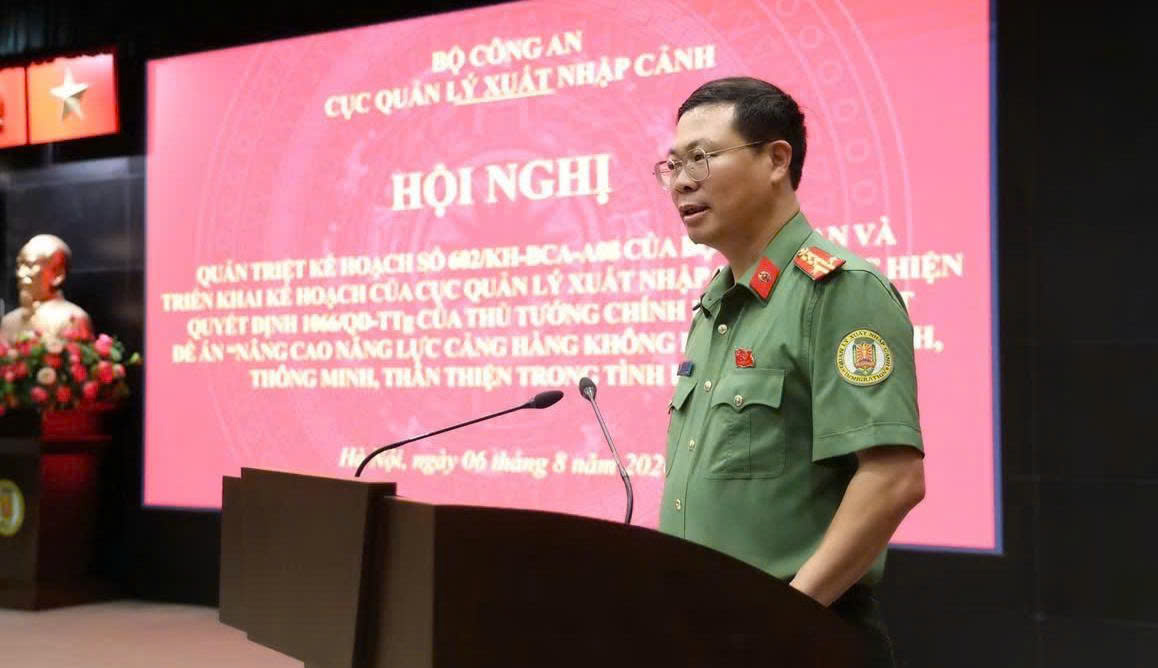
This is regarded as a key strategy to enhance the effectiveness of aviation security at airports in a proactive, synchronized, and modern manner. It aims to gradually modernize aviation security equipment in line with the standards and recommended practices of the International Civil Aviation Organization (ICAO), while closely linking security control with the facilitation of air transport operations and passenger services.
These efforts contribute to safeguarding national security, elevating competitiveness, and building an image of Viet Nam as a safe, professional, and friendly destination at its air gateways.
In recent years, passenger and cargo traffic through Viet Nam's airports has consistently maintained high growth rates, placing immense pressure on existing infrastructure. Congestion at check-in counters, security screening checkpoints, immigration control areas, and baggage claims during peak seasons has become a major management challenge.
Furthermore, traditional and non-traditional threats to aviation security and safety, such as cybersecurity risks, unmanned aerial vehicles (UAVs), and other aircraft, have grown increasingly complex. Manual and fragmented management methods are no longer sufficient to cope with such rapid expansion.
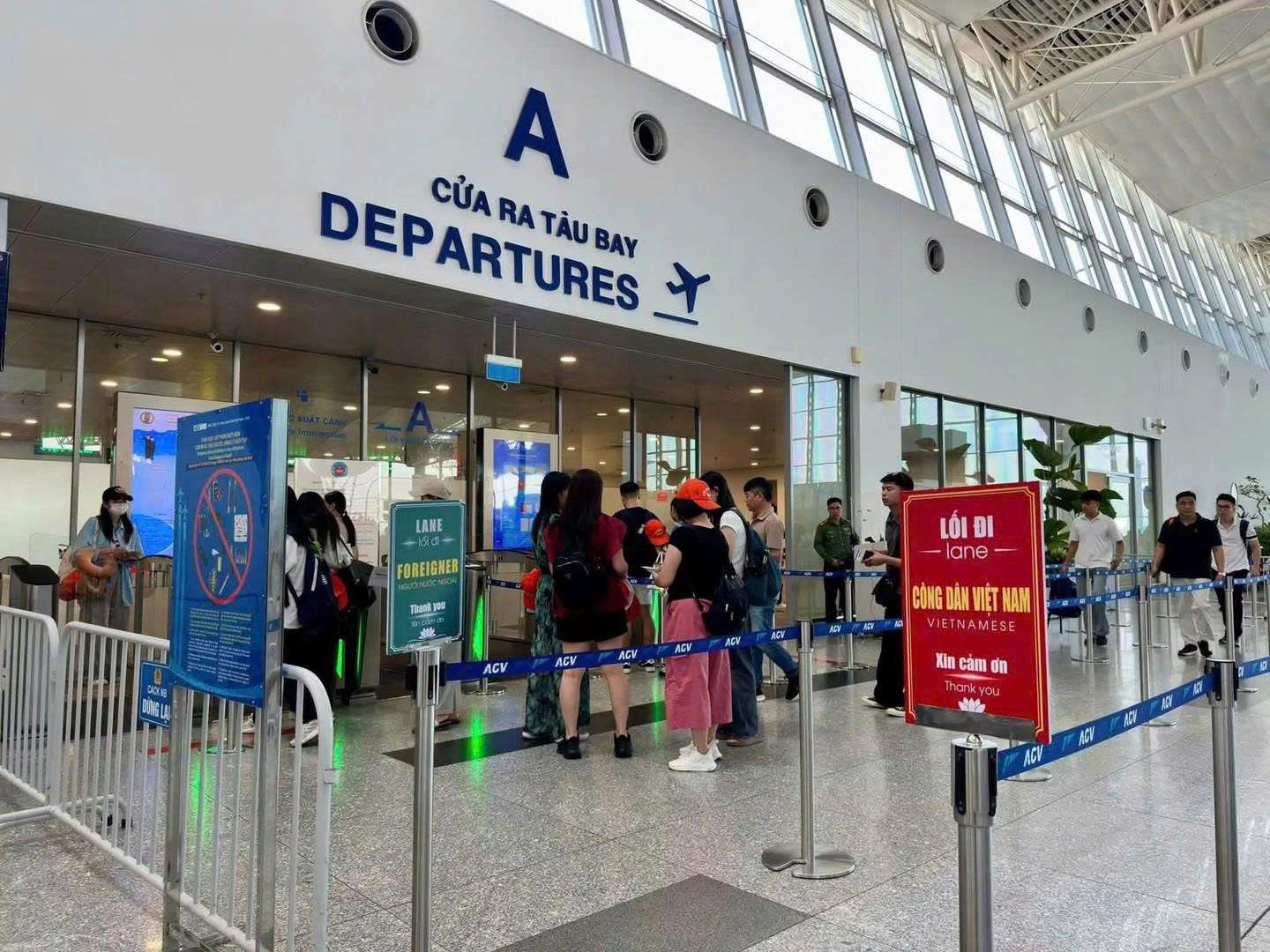
The approval and implementation of Project 1066 serve as a strategic solution to optimize operational capacity toward a comprehensive management model, in which aviation security forms the foundation, technological application serves as the primary means, and passenger convenience remains an overarching requirement.
Project 1066 focuses on three core objectives: Security – Smartness – Friendliness. It aims to build a multilayered, smart, and low-touch security model that maximizes convenience for passengers. A secure airport requires aviation security to be organized proactively and in multiple layers, preventing risks early and from afar. A smart airport is linked to the application of science and technology, digital transformation, automation, and data exploitation in management and operations. A friendly airport demands that security measures go hand in hand with aviation facilitation.
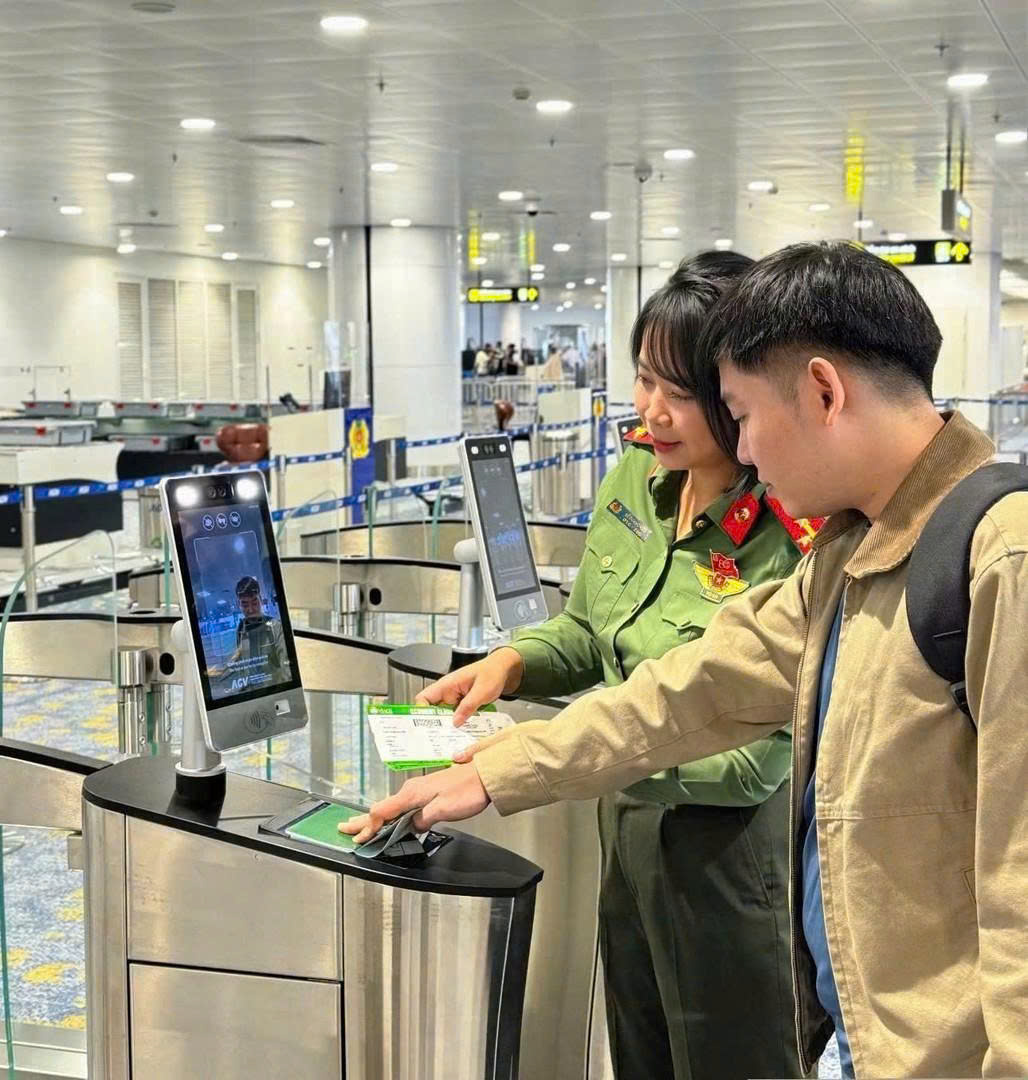
The superiority of Project 1066 lies not only in directional targets or guidance documents, but also in the seamless integration of advanced Fourth Industrial Revolution technologies across the entire airport ecosystem.
For Passengers: Turning travels into satisfying experiences
Significant time savings: Thanks to biometric identification systems and self-service procedures (Self Check-in, Self Bag-drop), passenger processing time at the airport can be reduced by 30% to 50%. Avoiding long queues helps passengers feel relaxed and minimizes pre-flight stress.
Proactive and transparent information: Passengers can easily track their itinerary, boarding gate locations, and baggage claim times through smart applications. This transparency enhances satisfaction and trust in domestic aviation services.
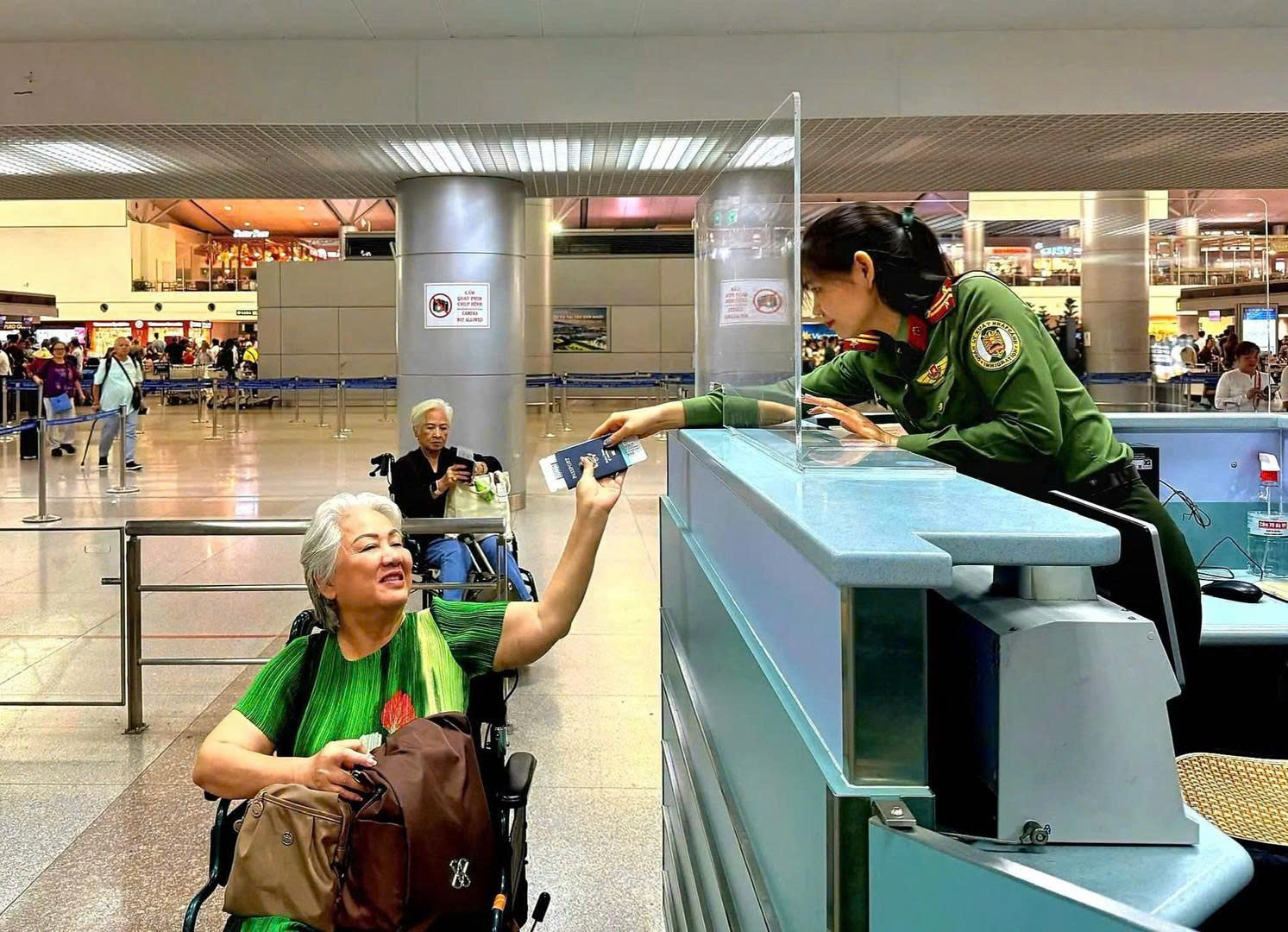
For airlines and airport operators
Optimizing operational costs: Process automation enables airlines to cut staffing costs at traditional check-in counters while reducing human errors.
Boosting infrastructure productivity: Reducing aircraft ground turnaround times allows airlines to increase flight frequencies. For airports, optimizing passenger flows helps increase terminal handling capacity without requiring immediate capital investment in new terminals.
Enhancing risk management capacity: Smart security systems assist functional forces in accurately detecting and preventing the use of forged documents, identifying persons subject to exit or entry bans, and locating wanted criminals.
For economy and national image
Breakthrough in tourism infrastructure: A modern, smart, and civilized air border control system creates a major positive impression on international tourists and investors coming to Viet Nam, demonstrating a dynamic nation ready to adopt modern technology.
Contributing to national digital transformation goals: Project 1066 stands out as a clear testament to the effectiveness of implementing the Government's Project 06 on the development of population data, electronic identification, and authentication applications. The successful connection of aviation data with the National Population Database lays the groundwork for building a digital government and a digital economy.
Project 1066 is far more than a technical upgrade or technology procurement program. It represents a long-term strategic vision and a revolution in aviation management mindset in Viet Nam. By harmoniously combining the three elements of “Security – Smartness – Friendliness,” Project 1066 is step-by-step transforming the face of national air gateways. This provides a solid foundation for Viet Nam's aviation sector to take off, reach regional and global heights, and offer citizens and visitors safe, convenient, and enjoyable journeys.
Print
Chia sẻ
Latest news


Most read news of the week