NA passes Law on Extradition
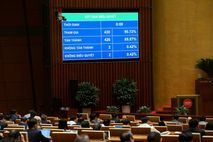
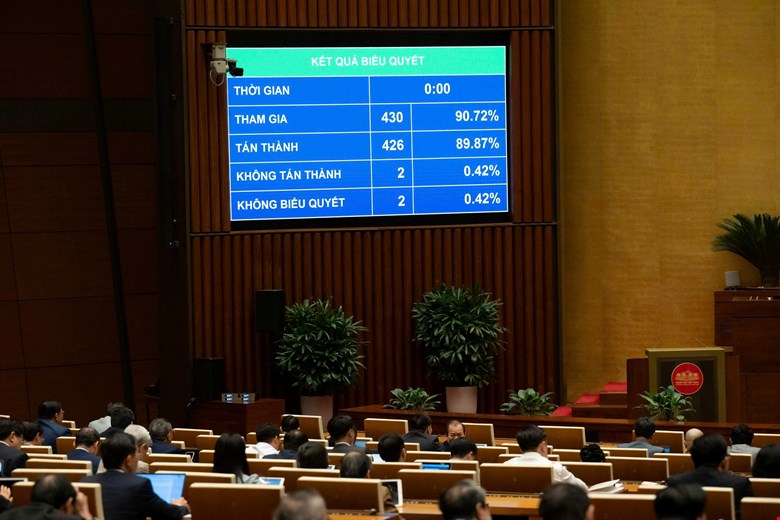
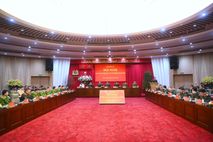
The National Assembly (NA) adopted the Law on Extradition with an overwhelming majority of deputies voting in favor, on the morning of November 26, 2025.
27/11/2025
00:00
The Law on Extradition, consisting four chapters and 45 articles, and will enter into force on July 1, 2026.
Earlier, presenting the report on revisions to the draft law, Chairman of the NA Committee for Legal and Judicial Affairs Hoang Thanh Tung stated that some deputies had proposed raising the minimum penalty in Clause 1 of Article 7 of at least two years’ imprisonment in order to enhance the effectiveness of international judicial cooperation while avoiding unnecessary use of administrative resources for minor cases and reflecting a humanitarian policy whereby extradition should apply only to truly serious, socially dangerous acts.
Further, some deputies had suggested supplementing Clause 2 of Article 13 with provisions on monitoring a foreign country’s fulfillment of its commitments after extradition, explaining that Viet Nam has the right to request compensation or apply corresponding diplomatic measures in case of violations.
The NA Standing Committee clarified that each country may have different policies and approaches to approve/disapprove and execute a certain case of extradition as it falls into the internal jurisdiction of each country. Once the extradition has been carried out, Viet Nam, based on the principles of respecting national sovereignty and non-interference in internal affairs, may only monitor and remind the concerned country through diplomatic channels when necessary, and does not have the authority to impose sanctions on another state.
Regarding the emergency detention of a person prior to receiving a formal extradition request (Article 33), some deputies emphasized that such detention relates to human rights and reflects Viet Nam’s responsibility in international cooperation.
Therefore, the law should more clearly define the competent authorities, authorization mechanisms and conditions of emergency detention facilities to ensure feasibility.
It was also proposed that the Minister of Public Security be assigned to provide guidance on the content of detention decisions, treatment policies and management of persons held in emergency detention at designated facilities.
Print
Chia sẻ
Latest news

Most read news of the week