
Vietnam, Estonia exchange experiences on “Digital Citizen Strategy”
The Ministry of Public Security collaborated with the Ministry of Science and Technology to organize a workshop to exchange experiences on Estonia’s "Digital Citizen Strategy," on the afternoon of June 5, 2026, in Hanoi.
06/06/2026
00:00
The workshop was co-chaired by Deputy Minister of Public Security Senior Lieutenant General Nguyen Van Long, who is Permanent Deputy Head of the Working Group for the Implementation of Project 06 and Administrative Reform and Digital Transformation associated with Project 06 and Deputy Minister of Science and Technology Bui Hoang Phuong.
The workshop was attended by experts from Estonia, namely Director of the Estonian e-Governance Academy Hannes Astok and National Digital Transformation Adviser of Estonia Petra Holm, as well as representatives from various ministries, sectors, agencies and businesses in Vietnam.
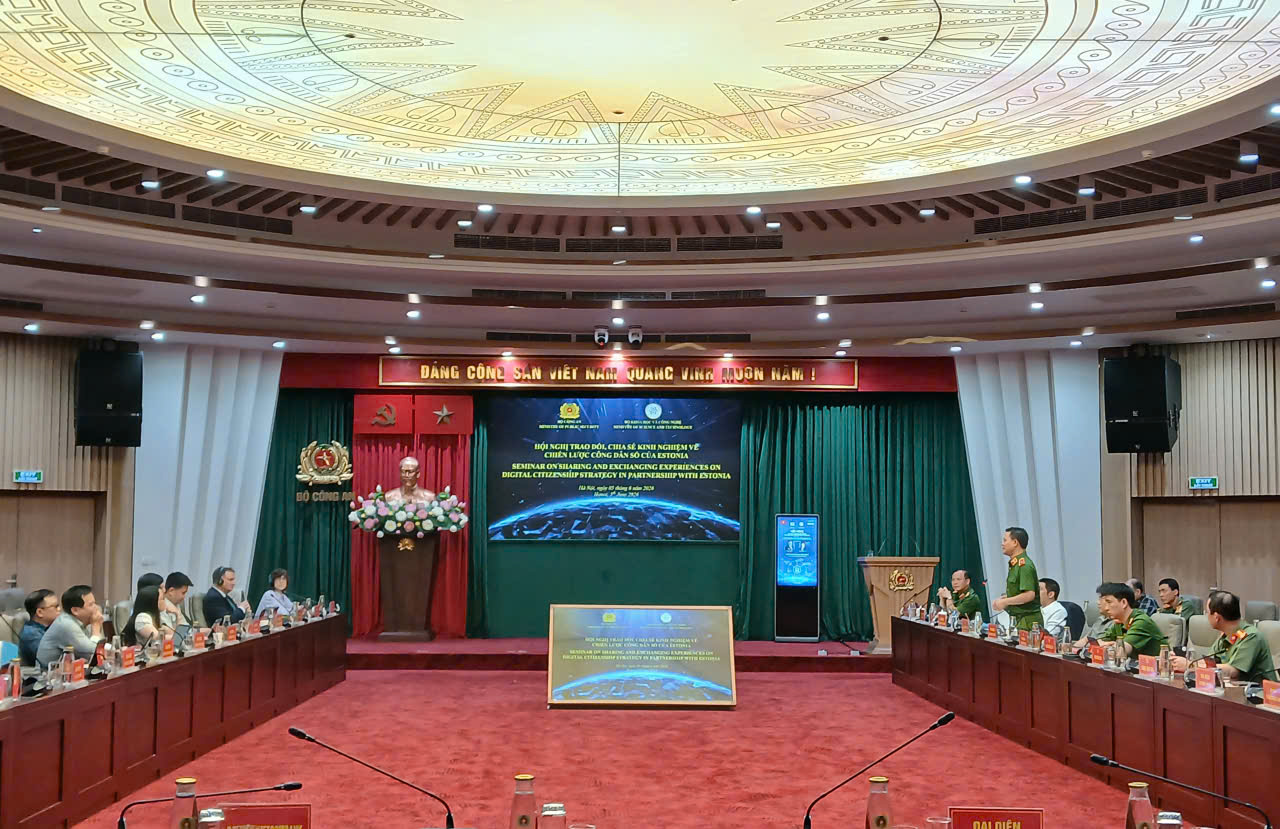
Against the backdrop of robust global digital transformation, shaping and developing digital citizens has become a core, strategic task for the Government of Vietnam to continuously improve the quality of public services serving citizens and businesses. In Vietnam, this process is implemented synchronously in connection with Project 06, building the National Population Database, electronic identification and authentication, and the VNeID application.
To absorb world-class technological paradigms, the workshop featured an in-depth discussion with experts from Estonia, a pioneering nation in digital government and comprehensive digital citizenship models, aiming to accelerate the goals of building a digital government, an digital economy, and a digital society in Vietnam.
In his opening remarks, Deputy Minister of Science and Technology Bui Hoang Phuong stated that Vietnam possesses large national databases and shared national application platforms, such as the National Population Database and the VNeID platform. To date, there are over 70 million electronic identification accounts, nearly 900,000 organizational identification accounts, and more than 9,000 accounts for foreign nationals residing in Vietnam, accompanied by numerous utilities. Some features have recorded over 500 million accesses, averaging about 3 million hits per day.
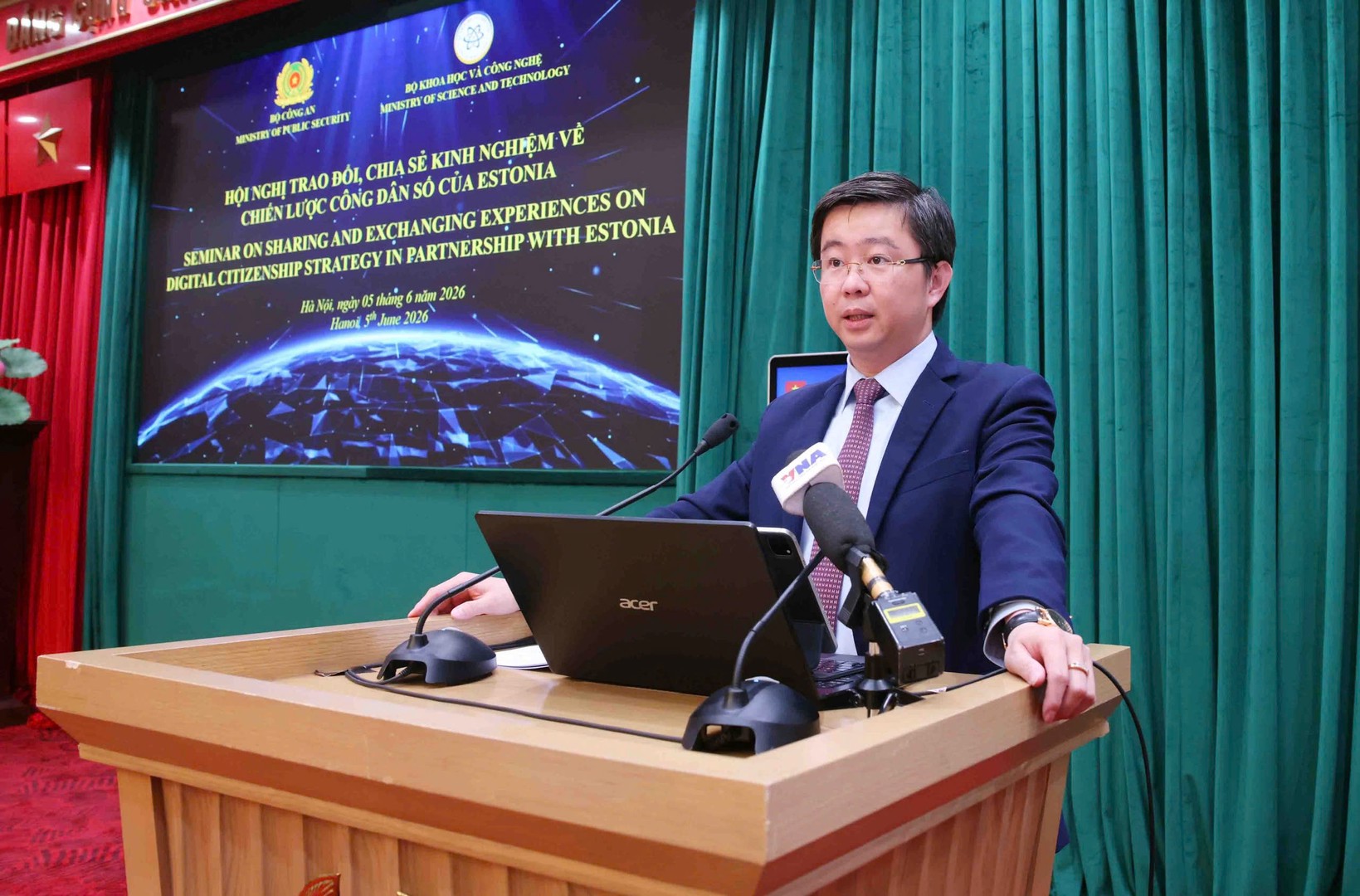
Furthermore, citizens and state agencies have made significant shifts in accessing digital services, particularly strategic technologies like AI, with an increasing number of users utilizing these applications. At the same time, Vietnam identifies human resources, especially digital human resources, as one of the key factors receiving immense attention.
Deputy Minister of Science and Technology Bui Hoang Phuong also emphasized that digital transformation, particularly digital citizenship, with a human-centric approach, is only truly effective when citizens utilize it. A digital economy can only thrive when people and businesses engage in economic activities within the digital environment, while a digital society can only be shaped when digital citizens possess digital skills and digital culture, making the use of digital services a part of everyday life.
Alongside the achieved results, Deputy Minister Bui Hoang Phuong noted that it is necessary to frankly acknowledge difficulties and limitations, such as the connection infrastructure and service quality in certain areas, especially rural and remote regions, which have not yet met expectations. Therefore, to address these issues and learn from the experiences of successful nations, Deputy Minister Bui Hoang Phuong requested that the participating delegates focus on exchanging and sharing experiences to contribute to promoting the formulation and development of the “Digital Citizen Strategy” in Vietnam.
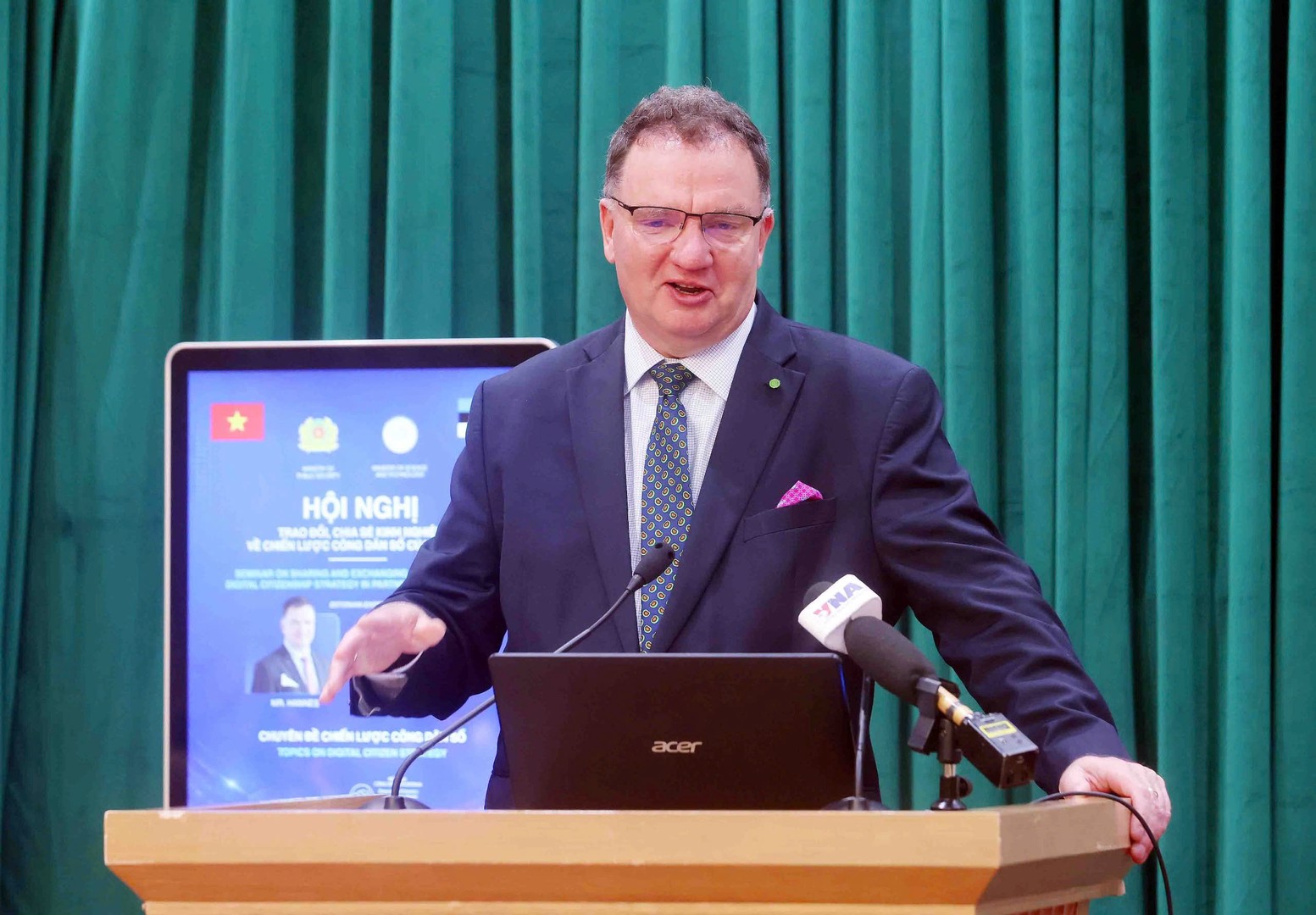
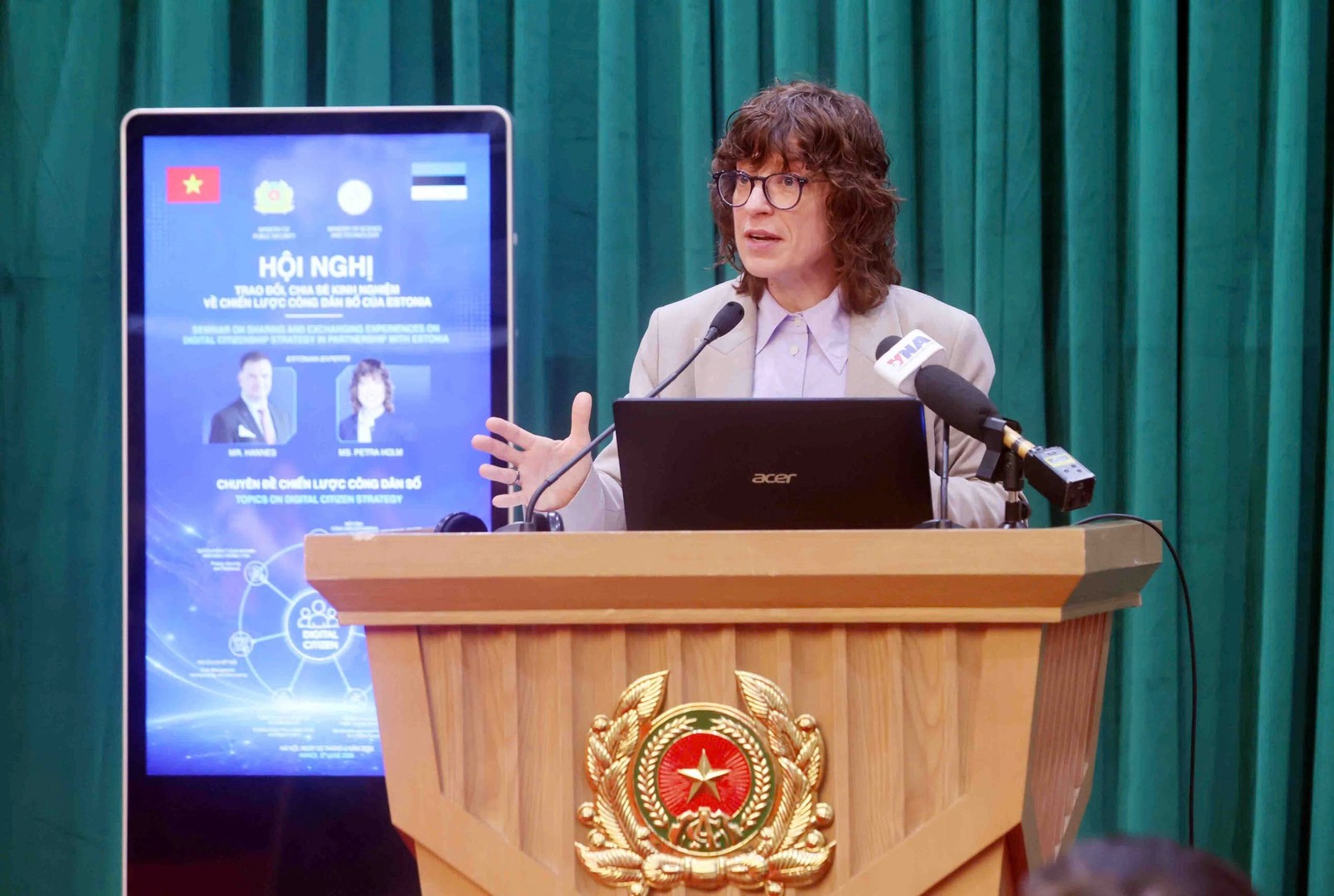
Estonia's experts share their digital transformation experiences.
Speaking at the workshop, Mr. Hannes Astok shared Estonia's journey of over 10 years in building a digital government, digital society, and digital citizenship. During the implementation of this system, Estonia also faced numerous issues regarding identification, data accessibility for individuals and businesses, and challenges related to social networks. From that experience, Estonia determined that only the government and government agencies can provide the strongest and most secure electronic identification system. The Director of the Estonian e-Governance Academy expressed confidence that the principles and methods used by Estonia in developing digital government and digital citizenship would serve as useful information, lessons, and experiences for Vietnam.
During the exchange and sharing sessions, delegates focused their discussions on three core areas, inlcuding exchanging views on developing digital citizen applications and digital tools to serve the public, including Estonia’s practical experience in building and operating mobile applications, digital data governance and utilization and solutions to enhance digital capacity for citizens.
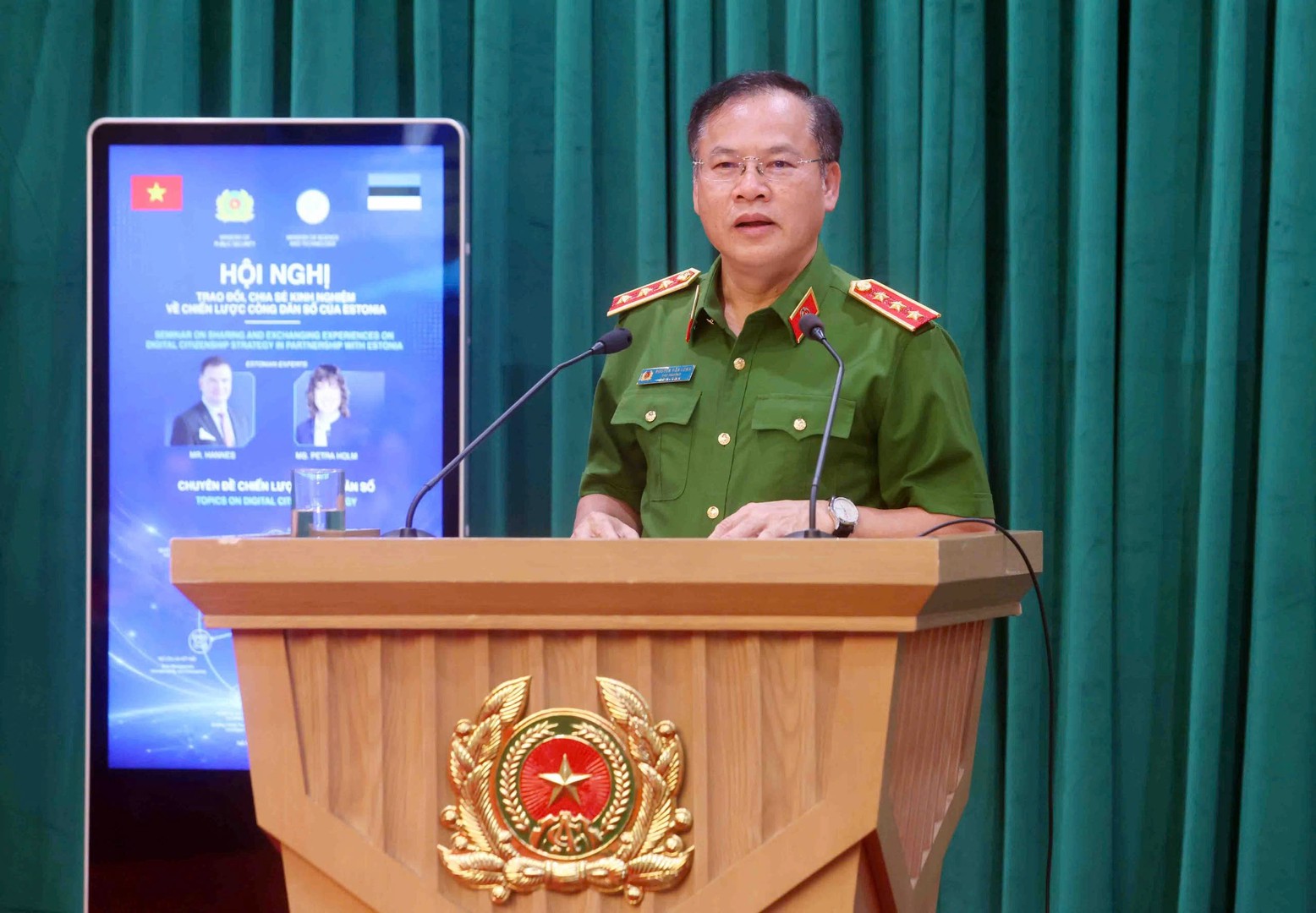
Addressing the workshop, Deputy Minister Nguyen Van Long affirmed that Estonia’s valuable experiences serve as a precious reference for the “Digital Citizen Strategy” in Vietnam.
To accelerate the implementation of the “Digital Citizen Strategy” in Vietnam in the coming time, Deputy Minister Nguyen Van Long stated that it is a must to continue perfecting mechanisms and policies in social management and development. A particular emphasis must be placed on building and connecting the National Database, effectively mobilizing resources to participate in the digital transformation process, and promoting the integration of the National Database with specialized databases of ministries, sectors, localities, and enterprises. Concurrently, favorable conditions must be created for citizens and businesses to exploit, use, and develop data.
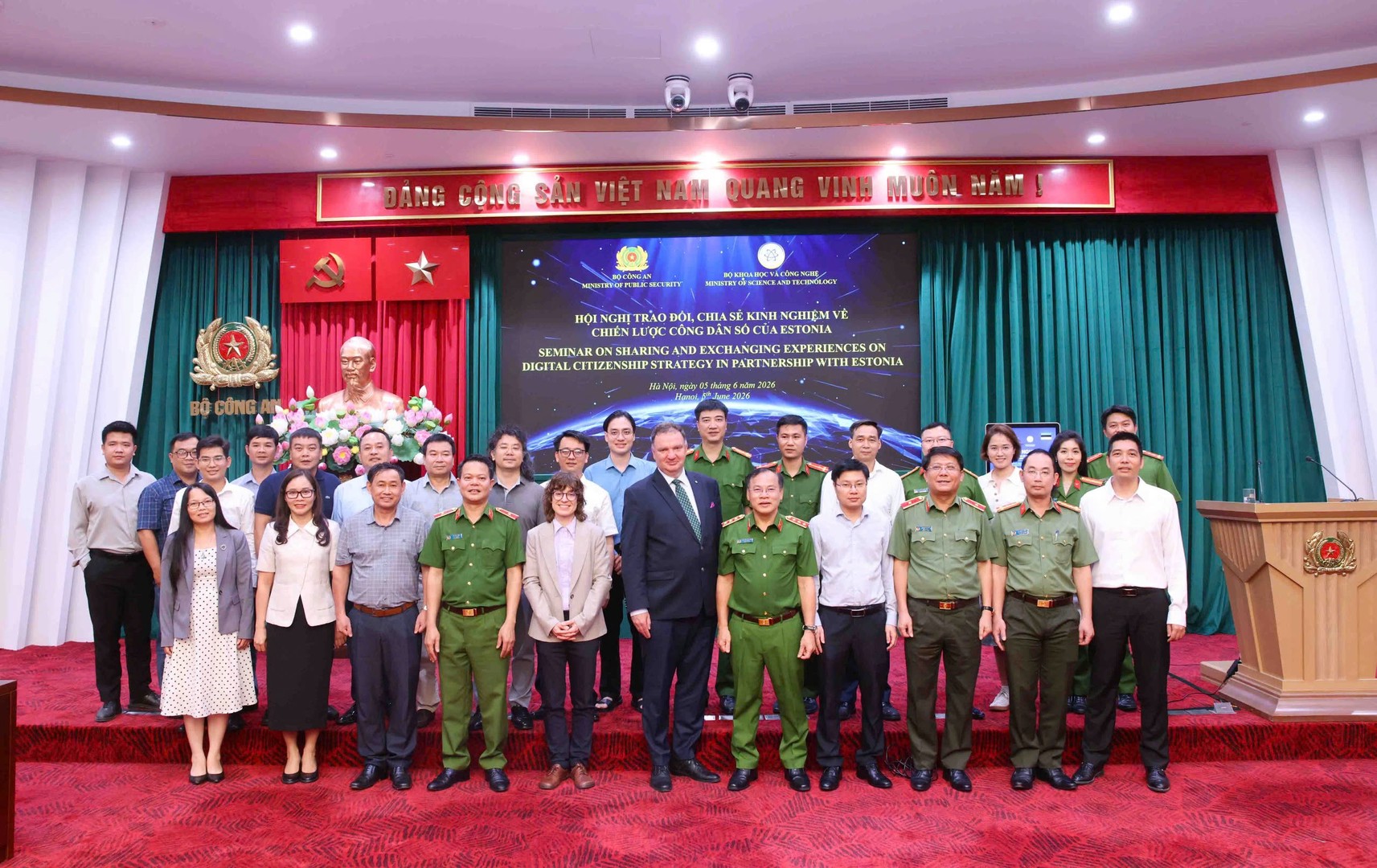
Ensuring information security and safety is a highly urgent national task, especially mastering data and technology in the digital space. It is essential to step up training, capacity building, and public communication so that citizens understand and actively participate in the cause of digital transformation and digital society development, drawing from Estonia’s successful lessons.
Furthermore, Deputy Minister Nguyen Van Long expressed his desire to continue fostering cooperation with Estonia in building and deploying national platforms, similar to the successful models Estonia has applied in Europe and several other nations.
Print
Chia sẻ
Latest news


Most read news of the week